
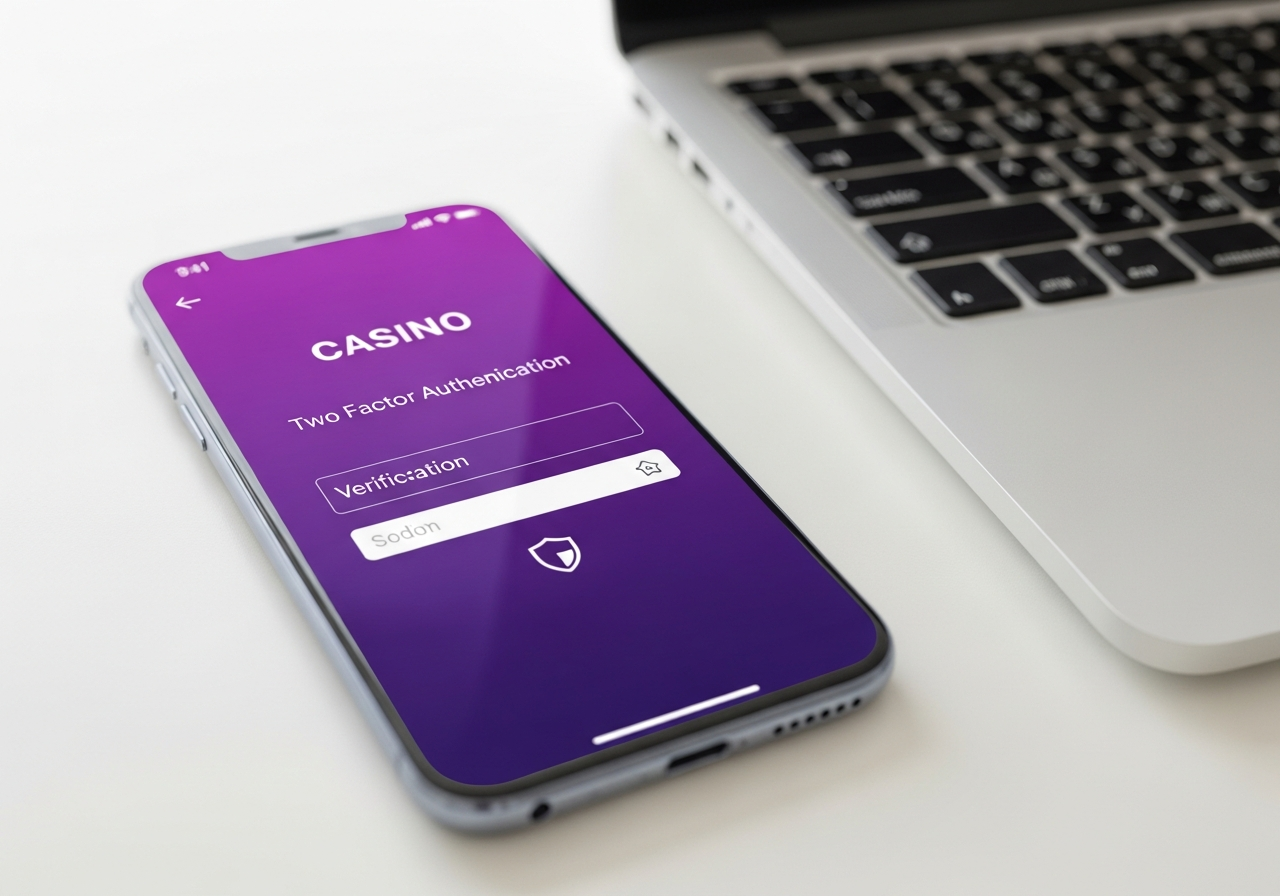
Two-factor authentication (2FA) represents a crucial security layer for casino players in Ghana, requiring both a password and a second verification method to access accounts. This dual protection system significantly reduces fraud risks, secures login processes, and protects withdrawal transactions from unauthorized access. For Ghanaian players who frequently use mobile devices and may share phones with family members, 2FA provides essential defense against account takeovers and financial theft.
The mobile-first gaming culture in Ghana creates unique security challenges that make 2FA particularly valuable. Shared device usage, public Wi-Fi connections, and the high stakes involved in gambling accounts demand robust protection beyond traditional passwords. When properly implemented, 2FA transforms casino account security from vulnerable single-point access to a multi-layered defense system that protects both personal information and gambling funds.
What 2FA Means for Casino Players in Ghana
Two-factor authentication combines your regular password with a second verification factor, creating a security checkpoint that requires two separate pieces of evidence before granting account access. The second factor typically comes from an authenticator app generating time-sensitive codes, SMS messages with one-time passwords, or email verification links. This security method extends beyond simple logins to protect critical casino activities including withdrawal requests, profile modifications, and payment method changes.
For casino players, 2FA integration means every sensitive account action requires both something you know (your password) and something you have (your phone or authenticator device). This dual requirement creates a significant barrier for attackers who may have compromised your password but lack physical access to your verification device. The system proves particularly effective for protecting gambling accounts where financial transactions occur frequently and account balances often contain substantial amounts.
Modern casino platforms implement 2FA at multiple security checkpoints rather than limiting protection to initial login attempts. Players encounter verification prompts when requesting withdrawals, updating banking information, changing security settings, or accessing account recovery options. This comprehensive approach ensures that even if an attacker bypasses initial login security, they cannot complete financially damaging actions without the second authentication factor.
How two-factor authentication works
The authentication process begins when you enter your username and password as usual, but instead of immediately accessing your account, the system prompts for a second verification code. This code comes from your chosen authentication method, typically a six-digit number that changes every 30 seconds in authenticator apps or arrives via SMS message. You must enter this code within a specific timeframe, usually between 30 seconds to 5 minutes, depending on the delivery method.
Authenticator apps like Google Authenticator or Authy generate these time-based codes using cryptographic algorithms that sync with the casino’s servers. The codes are mathematically linked to your account and the current time, making them impossible to guess or reuse. SMS-based codes follow a similar principle but rely on mobile network delivery, while email codes provide an alternative for users without smartphone access.
Why casino accounts need a second layer
Password-only protection fails frequently because users often choose weak, reused, or easily guessed credentials that become compromised through data breaches, phishing attacks, or social engineering. Casino accounts present attractive targets for cybercriminals due to stored payment methods, account balances, and personal information that can facilitate identity theft. A single compromised password can result in complete account takeover, unauthorized withdrawals, and significant financial losses.
Gambling platforms store sensitive data including banking details, identity verification documents, and transaction histories that extend far beyond simple account access. Attackers who gain entry can modify withdrawal destinations, request password resets for linked accounts, or use stored personal information for broader fraud schemes. The second authentication layer prevents these scenarios by requiring physical access to the account holder’s verification device, creating an additional hurdle that stops most automated and remote attacks.
Why 2FA Matters in the Ghana Casino Context
Ghana’s mobile-first internet culture and shared device usage patterns create specific security vulnerabilities that make 2FA essential for casino account protection. Many players access gambling platforms through internet cafes, shared smartphones, or public Wi-Fi networks where login credentials can be easily compromised. The rapid growth of mobile money services and digital banking in Ghana has also attracted increased cybercriminal attention to financial applications and gambling platforms.
Local players often maintain significant balances in casino accounts for convenience, making these accounts high-value targets for attackers. The integration of mobile money systems with gambling platforms creates additional attack vectors through SIM-swapping and mobile network vulnerabilities. 2FA provides crucial protection against these region-specific threats while building player confidence in platform security.
| Risk factor | Why it matters | How 2FA helps |
|---|---|---|
| Shared device usage | Family members or friends may access saved passwords | Requires personal phone for verification codes |
| Public Wi-Fi gambling | Unsecured networks allow password interception | Stolen passwords useless without second factor |
| Mobile money integration | Links gambling accounts to primary financial services | Protects withdrawal requests and payment changes |
| High account balances | Players store significant funds for convenience | Prevents unauthorized access to stored funds |
| Internet cafe access | Public computers may have keyloggers or malware | Second factor remains secure on personal device |
| SIM card targeting | Criminals swap SIM cards to receive SMS codes | App-based 2FA eliminates SIM dependency |
Main threats 2FA reduces
Phishing attacks targeting casino players have become increasingly sophisticated, using fake websites and emails that perfectly mimic legitimate platforms to steal login credentials. These attacks often succeed because users cannot distinguish between authentic and fraudulent communication, especially when attackers use similar domain names and professional designs. Even when users fall victim to phishing and enter their passwords on fake sites, 2FA prevents account access because attackers cannot generate the required verification codes.
Password theft through data breaches represents another significant threat, as compromised credentials from one service often work across multiple accounts where users reuse passwords. SIM-swapping attacks specifically target mobile users by convincing telecom providers to transfer phone numbers to attacker-controlled SIM cards, enabling interception of SMS-based authentication codes. Casino-specific outcomes of these attacks include unauthorized withdrawals, modified banking information, stolen personal data, and complete account takeover for further fraud schemes.
Withdrawal fraud represents the most financially damaging outcome of compromised casino accounts, as attackers typically focus on extracting funds rather than gambling. Account takeover incidents can result in modified email addresses and security questions, making recovery extremely difficult for legitimate users. The combination of stored payment methods and personal identification documents in casino accounts provides attackers with resources for identity theft extending beyond the gambling platform itself.
Best 2FA Methods for Casino Security
Authenticator applications provide the strongest practical security for casino accounts by generating time-based codes locally on your device without requiring network connectivity. These apps eliminate dependence on SMS delivery, which can be intercepted or delayed, while offering consistent code generation even in areas with poor cellular coverage. Popular options include Google Authenticator, Authy, and Microsoft Authenticator, all of which provide robust encryption and backup features for account recovery.
SMS-based verification offers greater convenience for users unfamiliar with authenticator apps but introduces vulnerabilities through SIM-swapping attacks and network dependence. Email verification provides the most accessible option for users without smartphones but offers the weakest security due to potential email account compromise. The choice between methods often depends on balancing security requirements with user technical comfort and device availability.
| Method | Security level | Convenience | Typical weaknesses |
|---|---|---|---|
| Authenticator App | Very High | High | Device loss, no backup |
| SMS Codes | Medium | Very High | SIM-swap, network delays |
| Email Verification | Low | Medium | Email compromise, delays |
| Hardware Tokens | Very High | Low | Cost, physical loss |
Authenticator app vs SMS vs email
| Method | Pros | Cons |
|---|---|---|
| Authenticator App | Works offline, immune to SIM-swap, fast generation | Requires smartphone, backup complexity |
| SMS Codes | Universal device support, familiar to users | Vulnerable to SIM-swap, network dependent |
| Email Verification | No phone required, accessible anywhere | Weak security, slow delivery, email dependency |
Authenticator apps generate codes locally using cryptographic algorithms that sync with casino servers, eliminating dependence on network connectivity or third-party message delivery. This independence makes app-based authentication immune to SIM-swapping attacks and provides consistent access even in areas with poor cellular coverage. The main challenge lies in backup and recovery procedures, as losing your device without proper backup can lock you out of accounts permanently.
SMS verification relies on mobile network infrastructure and phone number control, making it vulnerable to social engineering attacks where criminals convince telecom providers to transfer numbers to new SIM cards. However, SMS codes offer universal compatibility across all phone types and require no additional software installation, making them accessible to users with basic mobile devices. Network delays and failed message delivery can create access problems, particularly in areas with unreliable cellular coverage.
Email-based verification provides the most accessible option for users without smartphones but offers significantly weaker security since email accounts themselves can be compromised through password attacks or security question vulnerabilities. Email delivery delays and spam filtering can also create access issues, while the security of email verification depends entirely on the strength of email account protection.
Which method is best for most players
Authenticator apps represent the optimal choice for most casino players who own smartphones, offering the strongest security with excellent convenience once properly configured. The combination of offline functionality, immunity to network-based attacks, and fast code generation makes authenticator apps ideal for frequent gamblers who need reliable account access. Popular options like Google Authenticator and Authy provide user-friendly interfaces with backup features that address device loss concerns.
SMS verification serves as an appropriate fallback option for users who prefer simplicity or lack smartphone access, despite its security limitations. The universal compatibility and familiar user experience make SMS suitable for occasional players or those uncomfortable with app installation. However, users in areas with frequent network issues or high crime rates targeting mobile services should consider the additional risks.
Device dependency represents the primary consideration when choosing authentication methods, as losing access to your verification device can prevent account entry entirely. Successful 2FA implementation requires planning for device replacement scenarios through backup codes, account recovery procedures, or multiple authentication methods where platforms support them.
How to Enable 2FA on a Casino Account
Enabling 2FA requires accessing your casino account’s security settings section, typically found in account preferences, profile management, or security configuration areas. Most platforms guide users through the activation process with step-by-step instructions that include QR code scanning for authenticator apps or phone number verification for SMS-based systems. The process generally takes 5-10 minutes and requires your smartphone or secondary device to complete verification testing.
Before beginning 2FA setup, ensure you have backup access to your account through verified email addresses or customer service options in case configuration problems occur. Download and install your chosen authenticator app before starting the casino platform’s setup process to streamline the experience. Most platforms require you to enter a test code during setup to confirm proper configuration before fully enabling 2FA protection.
- Log into your casino account and navigate to security settings or account preferences
- Select “Enable Two-Factor Authentication” or similar option from available security features
- Choose your preferred authentication method (authenticator app, SMS, or email)
- Scan the provided QR code with your authenticator app or enter the manual setup key
- Enter the generated verification code to confirm proper configuration
- Save provided backup codes in a secure location separate from your device
- Test the 2FA system by logging out and signing back in with the new requirements
Setup flow from login to activation
- Access account security settings through your profile or preferences menu
- Select two-factor authentication from available security options and choose your method
- Follow platform-specific instructions for QR code scanning or manual key entry
- Verify configuration by entering a test code generated by your chosen method
- Record backup codes and emergency recovery information in secure storage
- Complete activation by confirming your understanding of the new login requirements
The setup process varies slightly between casino platforms, but most follow similar patterns of security menu access, method selection, device configuration, and verification testing. Some platforms require email confirmation or additional identity verification before enabling 2FA, particularly for accounts with high balances or recent activity. Modern casino interfaces often include setup wizards that guide users through each step with clear instructions and troubleshooting tips.
Recovery planning represents a critical component of successful 2FA setup, as improper backup procedures can result in permanent account lockouts if your primary authentication device becomes unavailable. Download backup codes immediately after activation and store them securely offline, separate from your primary device. Many platforms provide multiple recovery options including backup codes, alternative authentication methods, or customer service recovery procedures for verified users.
When Casinos Should Ask for 2FA Codes
| Action | 2FA required? | Security reason |
|---|---|---|
| Account login | Always | Prevents unauthorized access with stolen passwords |
| Withdrawal requests | Always | Protects funds from unauthorized transfer |
| Payment method changes | Always | Prevents redirection of funds to attacker accounts |
| Password changes | Always | Confirms legitimate user is making security changes |
| Large deposits | Optional | Verifies intentional high-value transactions |
| Regular gameplay | Never | Avoids disrupting normal gambling activities |
| Profile updates | Optional | Protects personal information from modification |
Sensitive actions that deserve extra checks
Withdrawal requests represent the highest-priority actions requiring 2FA verification because they directly impact user funds and provide the primary target for account takeover attacks. Every withdrawal attempt should trigger immediate 2FA prompts regardless of amount, device, or timing, as attackers typically focus on fund extraction rather than gambling activities. Additional verification for withdrawal destination changes provides another critical checkpoint that prevents attackers from redirecting funds to their own accounts.
Security setting modifications including password changes, email address updates, and authentication method adjustments require 2FA verification to prevent attackers from locking out legitimate users or establishing persistent access. Profile information updates containing banking details, identity documents, or contact information should also trigger verification prompts to protect against identity theft and social engineering attacks. These sensitive modifications often indicate account compromise attempts and deserve immediate security scrutiny.
Why login-only protection is not enough
Attackers who successfully bypass initial login security typically focus on high-value actions rather than normal gambling activities, making post-login verification essential for comprehensive protection. Once inside an account, criminals can modify withdrawal destinations, change contact information, or extract personal data without additional security challenges if 2FA only protects the login process. This limited protection approach leaves the most valuable account functions vulnerable to exploitation.
Transaction security becomes particularly important in gambling contexts where large sums move frequently and users expect rapid processing of withdrawal requests. Comprehensive 2FA implementation protects the entire user journey from login through fund extraction, ensuring that even sophisticated attacks cannot achieve their primary objectives. The multi-checkpoint approach also provides audit trails that help identify compromise attempts and improve overall platform security.
Common Mistakes That Weaken 2FA
Many users inadvertently compromise their 2FA security through poor backup practices, sharing verification codes, or choosing weak recovery options that provide alternative access routes for attackers. Understanding these common vulnerabilities helps players maintain strong protection and avoid security gaps that nullify 2FA benefits. Proper 2FA management requires ongoing attention to device security, backup procedures, and recovery planning rather than simple one-time setup.
SIM-swapping represents a particular concern for SMS-based 2FA users, as criminals can social engineer telecom providers to transfer phone numbers to attacker-controlled SIM cards. App migration during device upgrades often creates temporary vulnerabilities if users fail to properly transfer authenticator applications or verify new device functionality before discarding old devices. Recovery option configuration requires careful balance between accessibility and security to prevent both lockouts and unauthorized access.
- Sharing verification codes with family members or friends who request account access
- Storing backup codes in easily accessible locations like screenshots or unencrypted files
- Using SMS 2FA with weak telecom account security or easily guessed security questions
- Failing to update 2FA settings when changing devices or phone numbers
- Choosing weak recovery options like easily guessed security questions or compromised email accounts
- Disabling 2FA temporarily for convenience without re-enabling protection
- Not testing backup procedures until emergency situations require their use
How users accidentally break their own protection
Social engineering attacks often target 2FA users through fake customer service calls requesting verification codes for “account verification” or “security updates,” exploiting user trust in authority figures. Family sharing of devices and accounts creates vulnerabilities when users provide 2FA codes to relatives without understanding the security implications of shared access. These breaches occur despite functional 2FA systems because users voluntarily provide the required verification factors to unauthorized parties.
Device management mistakes including improper app transfers during phone upgrades or failure to revoke access from lost devices can create persistent vulnerabilities that attackers exploit months after initial compromise. Backup code mismanagement through insecure storage or failure to update codes after use provides alternative attack vectors that bypass primary 2FA protection. Education about proper 2FA hygiene proves as important as initial setup for maintaining long-term account security.
Casino Operator Practices That Support 2FA
Successful 2FA implementation requires casino operators to design user experiences that encourage adoption while maintaining strong security standards throughout the authentication process. Platform features including setup wizards, recovery procedures, and ongoing user education significantly impact both adoption rates and effective security outcomes. Operators must balance security requirements with user convenience to prevent players from disabling 2FA due to friction or complexity.
Comprehensive operator practices extend beyond basic 2FA functionality to include user education, attack prevention, and incident response procedures that protect players even when authentication systems face sophisticated attacks. Recovery flow design proves particularly critical, as overly complex procedures can lock out legitimate users while overly simple options provide attack vectors for criminals. Trust-building through transparent security practices and clear communication helps players understand the value of enhanced protection.
| Operator practice | Benefit | Player impact |
|---|---|---|
| Mandatory 2FA for withdrawals | Prevents unauthorized fund transfers | Increased confidence in platform security |
| Setup guidance and education | Improves adoption rates and proper configuration | Easier setup process and fewer lockouts |
| Multiple authentication options | Accommodates different user preferences and devices | Flexible security that fits individual needs |
| Secure recovery procedures | Balances access restoration with security | Confidence that lockouts are recoverable |
| Attack monitoring and alerting | Early detection of compromise attempts | Proactive protection and incident awareness |
| Regular security communication | Keeps players informed about threats and best practices | Better security awareness and threat recognition |
Platform features that improve adoption
| Feature | Function |
|---|---|
| Progressive setup prompts | Gradually encourage 2FA adoption without forcing immediate setup |
| Backup code generation | Provides emergency access options for device loss scenarios |
| Device trust management | Reduces 2FA prompts on frequently used, trusted devices |
| Setup verification testing | Confirms proper configuration before enabling full protection |
| Method migration tools | Helps users switch between authentication methods safely |
Progressive prompts that introduce 2FA benefits during natural user workflows prove more effective than mandatory immediate setup requirements that can drive user abandonment. Device trust features that reduce authentication frequency on verified devices help balance security with convenience for regular players. Setup verification ensures users understand the system before full activation, reducing support requests and improper configurations that lead to lockouts.
Security policies for admins and players
Administrative accounts require stricter 2FA policies including hardware token requirements, shorter session timeouts, and mandatory verification for all sensitive actions due to elevated privileges and access to player data. Player policies can offer more flexibility in authentication methods and verification frequency while maintaining protection for high-value actions like withdrawals and security changes. Role-based authentication differences reflect varying risk levels and ensure appropriate protection without imposing unnecessary friction on standard gambling activities.
Policy enforcement mechanisms including automated compliance checking and regular security audits help maintain consistent protection standards across all user types. Clear communication about policy differences helps users understand security requirements and builds confidence in platform protection measures. Effective policies balance regulatory compliance requirements with practical usability to maintain both security and user satisfaction.
Trust, SEO, and Conversion Angles for a Ghana-Focused Casino Article
Ghana-specific trust signals including mobile money integration security, local banking protection, and shared device safety resonate strongly with players who face unique regional security challenges. Mobile-first security advice addresses the predominant access method for Ghanaian players while acknowledging local connectivity and device sharing patterns. Withdrawal protection emphasis builds confidence in fund security, addressing primary player concerns about online gambling platform reliability.
SEO benefits emerge from targeting Ghana-specific security terms and local gambling concerns that international competitors often overlook in their generic security guidance. Educational content that addresses regional threats builds authority and trust while improving search visibility for location-specific security queries. Conversion optimization occurs through building platform credibility and addressing security concerns that prevent potential players from engaging with online gambling services.
- Mobile money security integration for Ghana-specific payment methods and withdrawal protection
- Shared device safety guidance addressing family smartphone usage patterns common in Ghana
- Local banking security connections highlighting protection for popular Ghanaian financial services
- Internet cafe gambling safety addressing public computer access security concerns
- Network reliability considerations for 2FA methods in areas with inconsistent connectivity
- Trust building through demonstration of understanding local gambling security challenges
Unique angles competitors usually miss
Local trust signals including understanding of Ghana’s mobile money ecosystem and recognition of family device sharing patterns demonstrate platform awareness of regional user behaviors that international operators often ignore. Mobile-first advice acknowledges the reality that most Ghanaian players access gambling platforms through smartphones rather than desktop computers, requiring security recommendations tailored to mobile usage patterns and vulnerabilities.
Conversion strategies that address specific Ghanaian security concerns like public Wi-Fi safety and shared device risks directly tackle barriers that prevent potential players from trusting online gambling platforms. Educational approaches that combine general 2FA benefits with Ghana-specific implementation advice provide practical value while building platform credibility. Authority building occurs through demonstrating comprehensive understanding of both international security standards and local implementation challenges.
Competitive differentiation emerges from addressing security topics that generic international gambling guides overlook, including mobile money integration security, internet cafe safety, and SIM-swapping protection specific to Ghana’s telecom environment. Trust development through localized security guidance helps platforms establish credibility with cautious potential players who prioritize fund security in their gambling platform selection process.